
Start in Kraków. Keep going.
Salt chapels under Wieliczka, the Tatras by cable car, the Motława at sunset, pierogi folded in front of you in Kazimierz. What each tour is actually like, what it costs, and where to book it.
The bookings that hold a trip together.
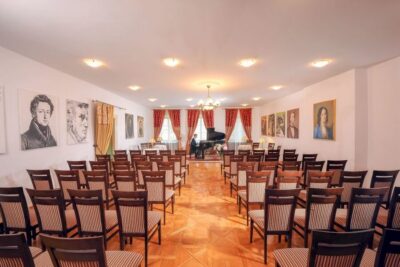
Four days in Kraków or a loop through Warsaw and the coast, it comes to the same handful: the descent into Wieliczka, the cable car above Zakopane, a boat down the Motława, an hour of Chopin in a room that seats eighty.
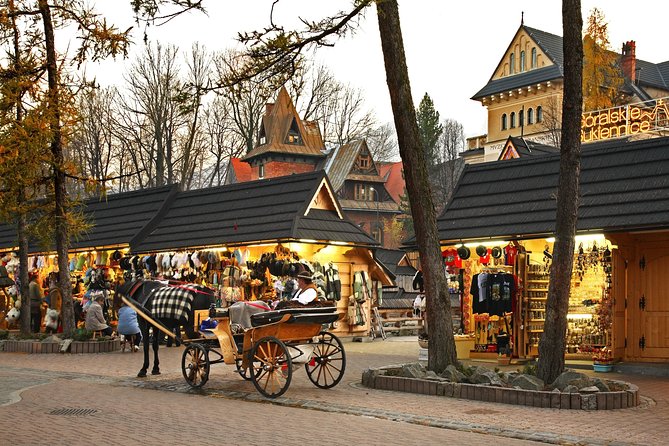
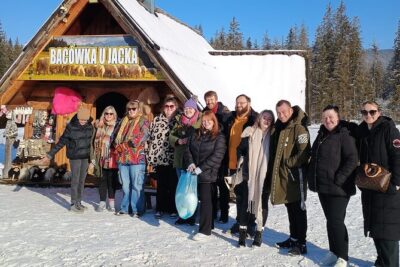
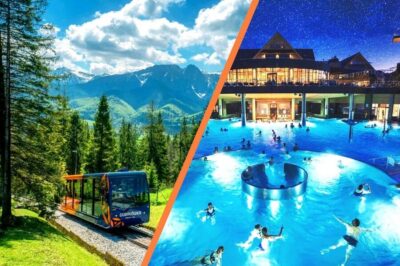
Zakopane: Cable Car, Chocholow Baths, Cheese & Vodka
A full day from Krakow to Zakopane with Gubałówka views, quick mountain villages, cheese and vodka tastings, and 3 hours in hot thermal pools.
From $54 per person
Read the review →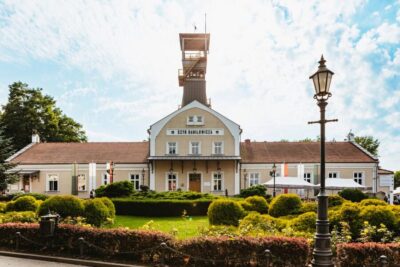 ★ 4.4Sells out in JulyWieliczka Salt Mine Guided Tour with TransportFrom $557,429 reviews
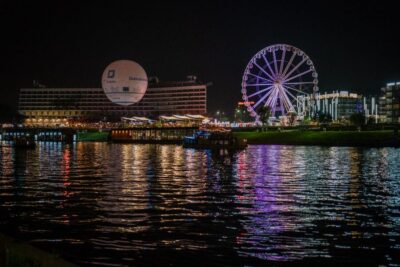 ★ 4.0Kraków classicEvening or Night River CruiseFrom $247,386 reviews
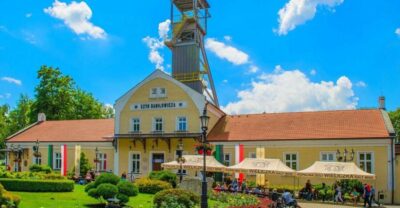 ★ 4.5Small groupsWieliczka Salt Mine Fast-Track Ticket & Guided TourFrom $335,872 reviews
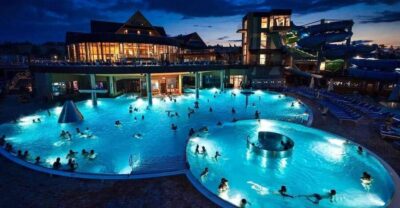 ★ 4.8Early Tatra startZakopane, Thermal Springs, Cable Car, Local TastingFrom $165,419 reviews
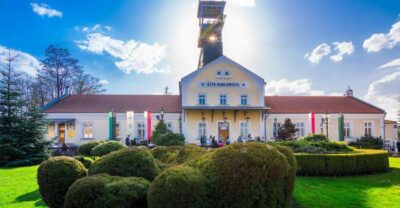 ★ 4.4Coast favouriteWieliczka Salt Mine Tour & Skip the Line TicketFrom $593,925 reviews
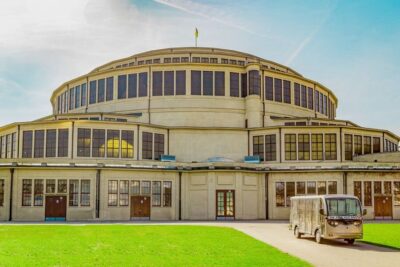
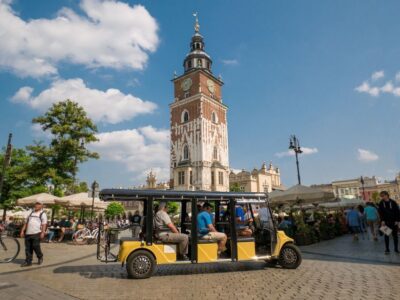 ★ 4.5Open all winterCity Sightseeing Tour by Electric Golf CartFrom $133,264 reviews
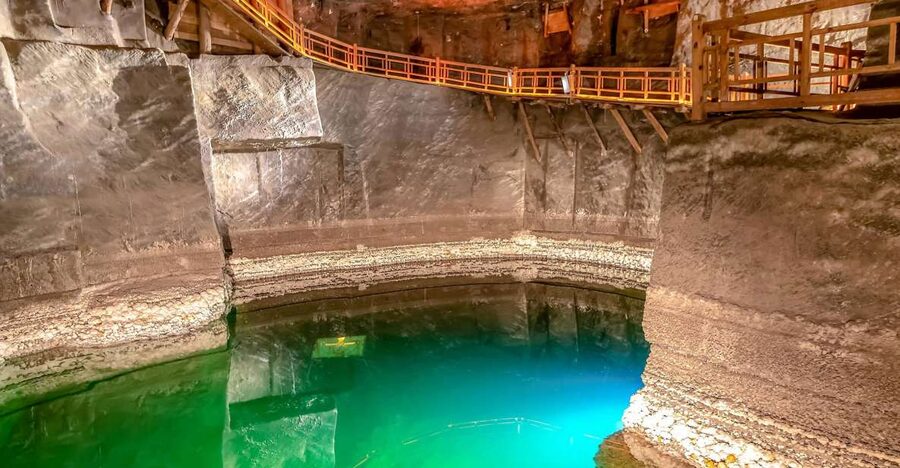
A cathedral cut out of salt.
Miners spent four centuries carving chapels, chandeliers and a full altar out of the rock salt below Wieliczka. The visitor route drops 135 metres, holds 14 degrees all year whatever the sky is doing above it, and runs about two hours once the Kraków pickup gets you there.
Which Poland are you booking?
The country is not one city, and the three bases feel nothing alike. Read the three below, pick the week that sounds like yours, and everything behind it is already priced and reviewed.
 The obvious first trip
Kraków and the south
2 hours · from $57 · 2,111 reviews
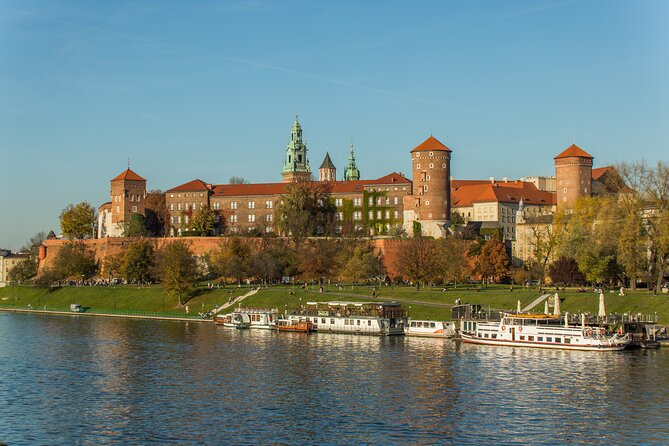
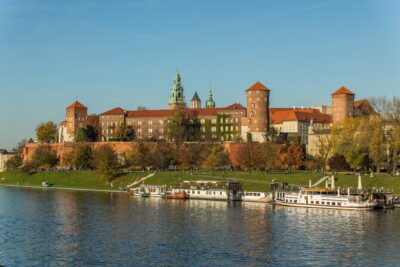
Wawel Hill over the river, the largest medieval square in Europe, Kazimierz still going at one in the morning. The salt mine is half an hour out and the Tatras are two, so a week here never has to repeat itself. Most first trips to Poland start in Kraków and most of them are right to.
See the Kraków tours →
The obvious first trip
Kraków and the south
2 hours · from $57 · 2,111 reviews
Wawel Hill over the river, the largest medieval square in Europe, Kazimierz still going at one in the morning. The salt mine is half an hour out and the Tatras are two, so a week here never has to repeat itself. Most first trips to Poland start in Kraków and most of them are right to.
See the Kraków tours →
 Rebuilt from paintings
Warsaw and the centre
54 min · from $20 · 1,640 reviews
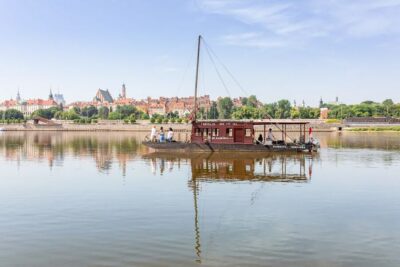
A capital put back together facade by facade after 1945, using Canaletto’s cityscapes as the reference. Vistula boulevards, Chopin recitals most nights, and POLIN’s permanent exhibition on a thousand years of Polish Jewish life. Bigger and cheaper than Kraków, and far less queued.
See the Warsaw tours →
Rebuilt from paintings
Warsaw and the centre
54 min · from $20 · 1,640 reviews
A capital put back together facade by facade after 1945, using Canaletto’s cityscapes as the reference. Vistula boulevards, Chopin recitals most nights, and POLIN’s permanent exhibition on a thousand years of Polish Jewish life. Bigger and cheaper than Kraków, and far less queued.
See the Warsaw tours →
 Brick, amber, water
Gdańsk and the coast
1h 10m · from $22 · 2,913 reviews
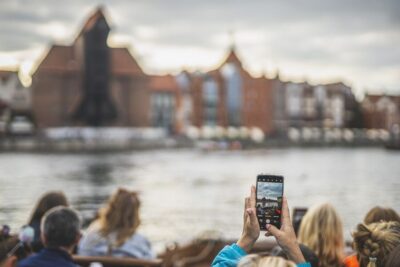
Długi Targ’s merchant houses, the medieval crane on the Motława, amber in every second window, and Sopot’s wooden pier twenty minutes up the tram line. Malbork, the largest brick castle anywhere, sits an hour inland. Come in June and it is light until ten.
See the Gdańsk tours →
Brick, amber, water
Gdańsk and the coast
1h 10m · from $22 · 2,913 reviews
Długi Targ’s merchant houses, the medieval crane on the Motława, amber in every second window, and Sopot’s wooden pier twenty minutes up the tram line. Malbork, the largest brick castle anywhere, sits an hour inland. Come in June and it is light until ten.
See the Gdańsk tours →
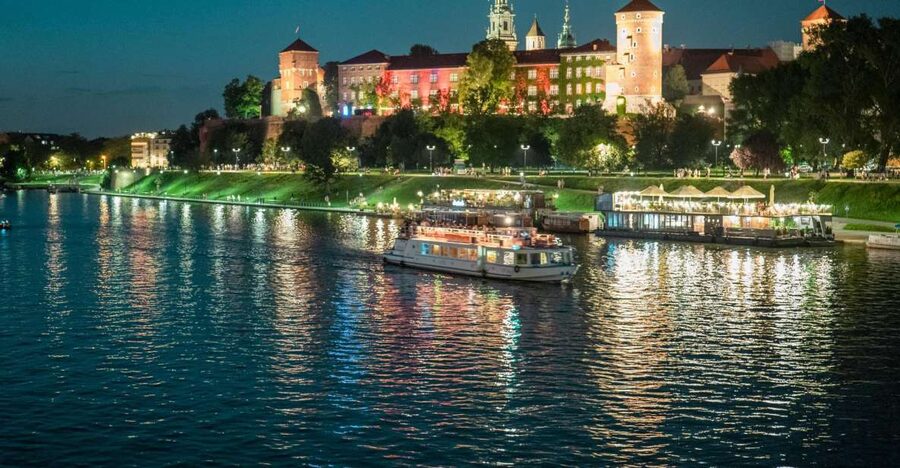
The rivers do the lighting.
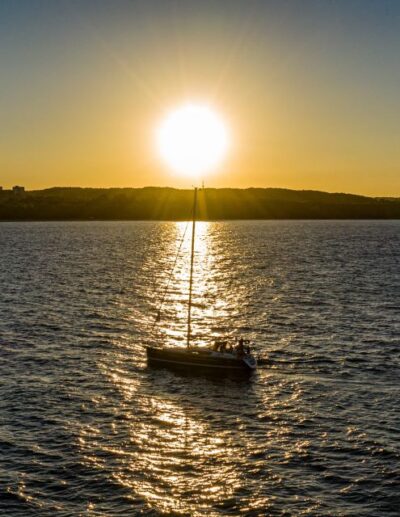
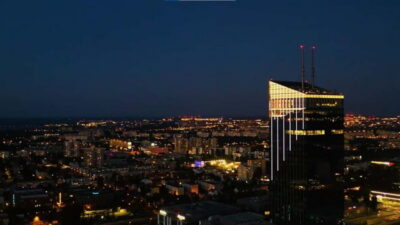
Wawel floodlit above the Vistula, the Motława gold at eleven, a nocturne played in a hall that seats sixty. Polish evenings start late, run later, and cost noticeably less than the same hours did in the afternoon.
Pierogi first, vodka after.
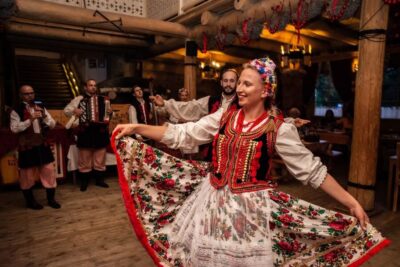
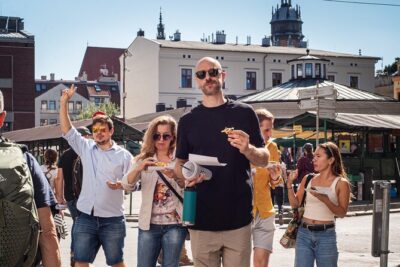
Kraków and Warsaw both run the same route: a market stall, a milk bar left over from the old system, a cellar restaurant, and a kitchen table where somebody shows you how the dough is folded. Three hours, and you will not need dinner.
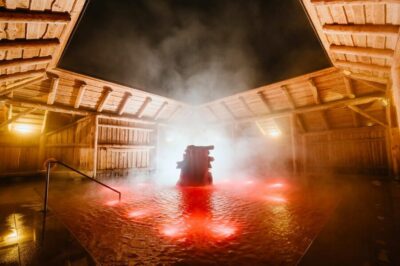

Hot water under the Tatras.
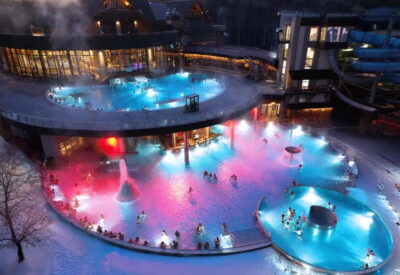
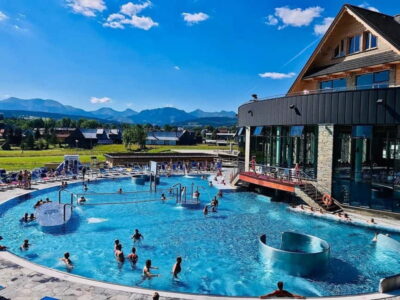
Chochołów, Bukowina and Zakopane keep outdoor mineral pools at about 36 degrees straight through the snow, with the mountains sitting right there over the fence. Pair one with the Kasprowy cable car and the day earns its drive twice.
Gdańsk keeps its own clock.
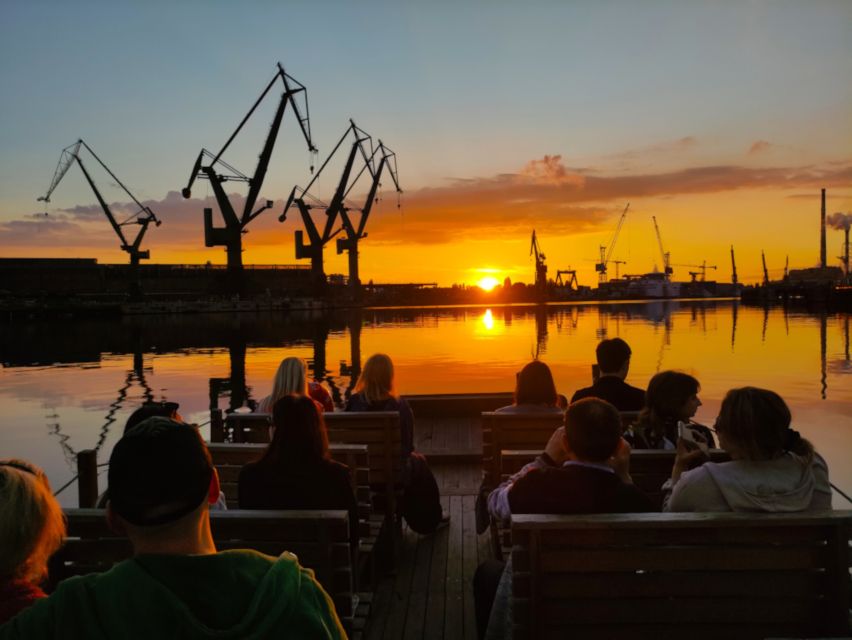
Amber has washed up on this coast for a thousand years and the merchant fronts on Długi Targ were rebuilt one facade at a time after the war. Take a boat down the Motława past the shipyard cranes, then keep going: Sopot’s pier is a tram ride, Malbork’s castle an hour inland.
Places that are visited, not toured.
Auschwitz-Birkenau, Stutthof, Gross-Rosen, Płaszów, the Warsaw and Kraków ghettos and the Schindler factory are memorials and museums. They are on this site because people travelling to Poland need the practical detail, and for no other reason.
Entry to the Auschwitz-Birkenau Memorial is free of charge. What an operator bills you for is the educator, the headsets and the road there and back. The listings record departure points, guide languages, group sizes and how long each visit runs. The Memorial asks visitors to dress and behave as they would at any place of mourning, and does not recommend the site for children under 14.
Poland is not one city.
Kraków for the medieval core and everything inside an hour of it. Warsaw for the rebuilt capital. Gdańsk for brick and Baltic. Wrocław for the bridges and the dwarves. Zakopane for the mountains. Wieliczka for what is underneath.
Choose the day, not the city.
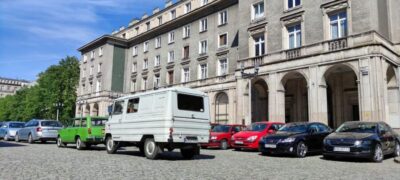
Twelve ways into the same country: an hour behind a guide, a boat, a long table, a cable car, a Fiat 126 with the roof rolled back. Everything behind them is priced and reviewed.
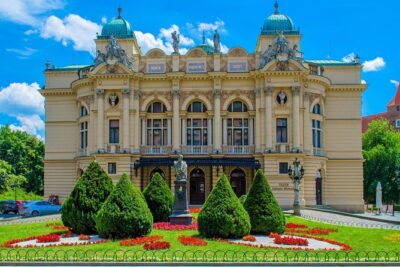
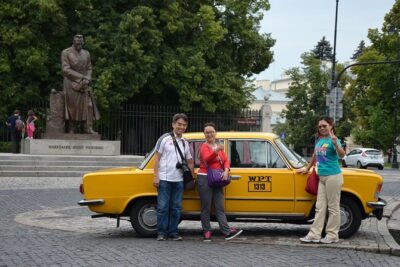
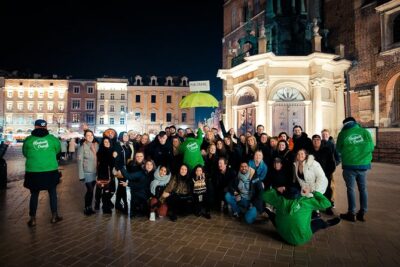
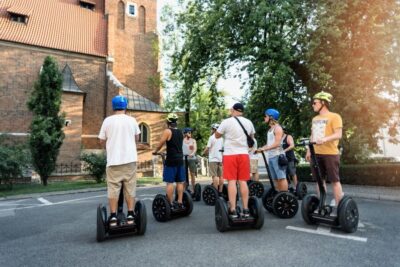
Poland sits closer together than it looks.
The salt mine is thirty minutes from the Kraków ring road and the Tatra cable car is two hours. From Gdańsk, Sopot is a tram ride and Malbork is the largest brick castle in the world. On almost all of them the return seat is already in the ticket.
Three days out of Kraków.
Three days will not get you Poland, but they will get you the south properly. This is the order that works, with drive times that hold up on a Tuesday in August.
Day 1
Wawel first, Kazimierz last
Wawel Hill first thing, before the cathedral queue forms. Then the Cloth Hall and the museum under the market square. Finish in Kazimierz, where the cellar bars are still filling up at midnight.
Plan day one →
 Day 2
Down the salt mine
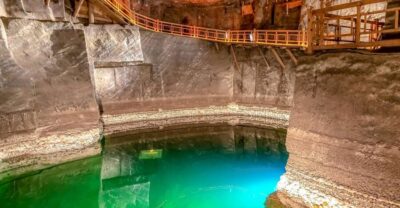
Thirty minutes out of the centre and 135 metres down: chapels, chandeliers and an underground lake, all of it carved from rock salt. Back in the city by mid afternoon with the evening still free.
Plan day two →
Day 2
Down the salt mine
Thirty minutes out of the centre and 135 metres down: chapels, chandeliers and an underground lake, all of it carved from rock salt. Back in the city by mid afternoon with the evening still free.
Plan day two →
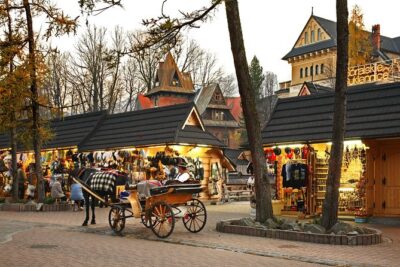 Day 3
South to the Tatras
The early coach to Zakopane, the Kasprowy cable car if the sky is clear, smoked oscypek cheese on Krupówki, and the thermal pools at Chochołów on the way home. Long day, easy pace.
Plan day three →
Day 3
South to the Tatras
The early coach to Zakopane, the Kasprowy cable car if the sky is clear, smoked oscypek cheese on Krupówki, and the thermal pools at Chochołów on the way home. Long day, easy pace.
Plan day three →
Recently added, Kraków to the Baltic.
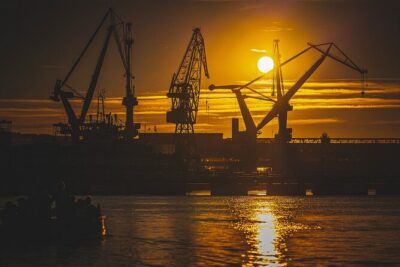 ★ 4.5Sunset on the Shipyard and Old Town Evening CruiseFrom $2586 reviews
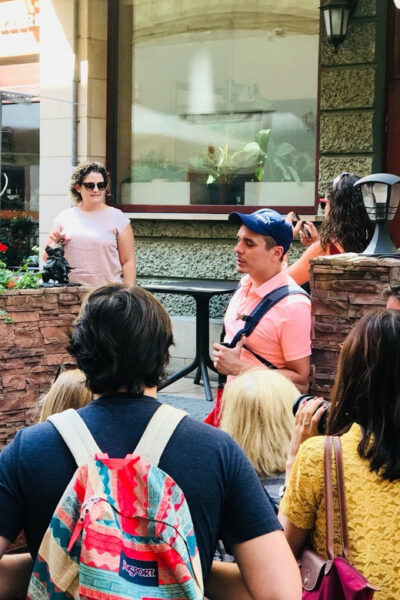 ★ 4.9Guided City WalkFrom $4087 reviews
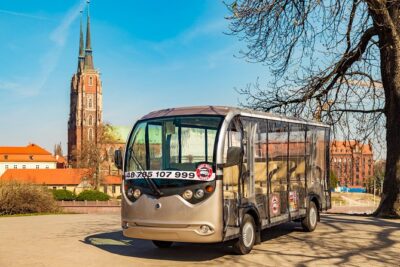 ★ 4.52-Hours Private Electric Car Tour with a Guide, WroclawFrom $5687 reviews
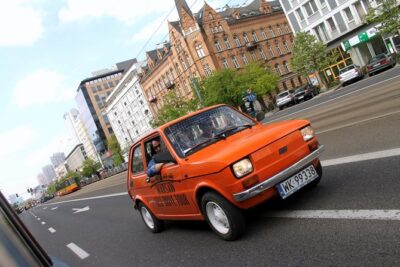 ★ 5.0Retro Fiat Self-Drive Tour in WarsawFrom $5987 reviews
 ★ 5.0#1 Polish Vodka Tasting Experience in GdanskFrom $11787 reviews
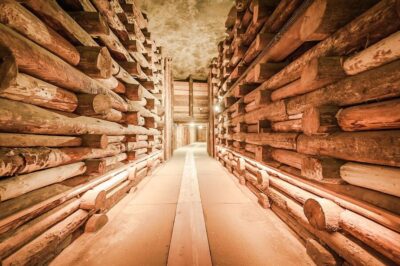 ★ 4.6Guided Wieliczka Salt Mine TourFrom $9087 reviews
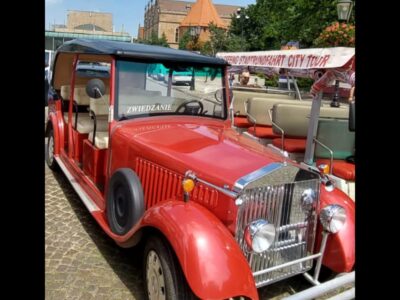 ★ 4.6City Tour by Electric Golf CartFrom $1987 reviews
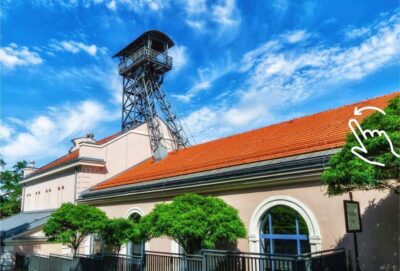 ★ 4.6Wieliczka Salt Mine Guided Tour with Hotel TransferFrom $9487 reviews